Why More People Are Choosing Digital Payments Over Cash
Administrator
Author
Cash used to be king. Not that long ago, wallets were full of bills and coins, and every transaction involved physically handing money to someone. The idea of leaving the house without cash felt risky, like you might get stuck somewhere unable to pay for anything.
That feeling has almost completely disappeared for a lot of people. Walk into a coffee shop, a grocery store, or even a street food stall in many cities, and you will see people tapping their phones, waving cards, or scanning QR codes. Cash is still around, but it is no longer the default option for a growing number of consumers.
The shift toward digital payments did not happen because someone decided cash was bad. It happened because digital options kept getting easier, faster, and more widely accepted. At some point, the convenience gap became too large to ignore.
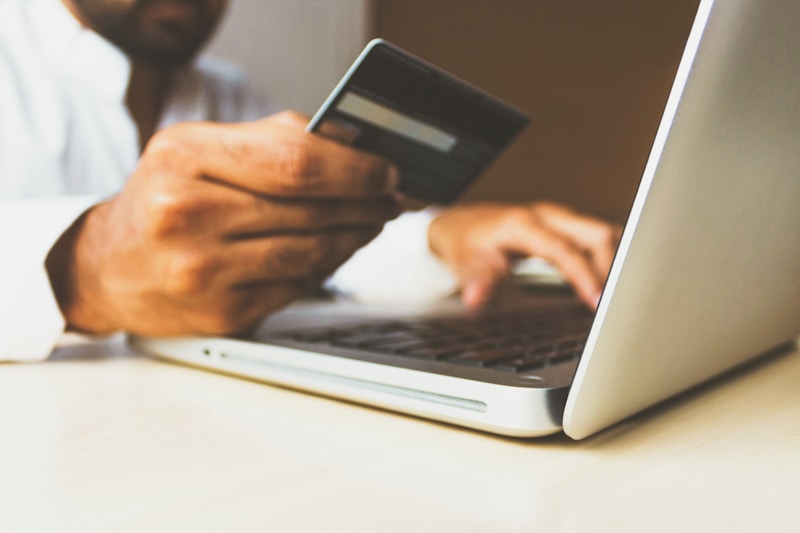
No More Digging Through Pockets
There is a specific kind of frustration that comes with standing at a register, the cashier waiting, and you realize you do not have exact change. Then you have to decide whether to break a larger bill, count out coins, or just hand over a twenty and hope for the best. It is a small thing, but it happens multiple times a day.
Digital payments eliminate that friction entirely. Tap your phone or card, the amount is deducted, and you are done. No counting, no waiting for change, no awkward moments. The transaction takes seconds and there is a clear record of exactly what you spent and where.
For people who make dozens of small purchases throughout the day, this speed adds up. Public transit, coffee, lunch, a quick grocery run. Each one becomes slightly less annoying when you do not have to handle physical money.
Tracking Spending Became Effortless
One of the biggest downsides of cash is that it disappears without a trace. You know you had some money in your wallet this morning, and now it is gone, but you cannot remember exactly where it all went. At the end of the month, trying to figure out your spending habits from cash transactions is nearly impossible.
Digital payments solve this problem by default. Every transaction is recorded with the amount, the merchant, the date, and the time. Most banking apps now categorize spending automatically, showing you exactly how much went to food, transport, entertainment, and other categories.
This visibility makes it much easier to budget and make informed decisions about where to cut back. People who switched to digital payments often discover spending patterns they were completely unaware of when they used cash.
Online Shopping Made Digital Essential
The rise of e-commerce made digital payments not just convenient but necessary. You cannot hand cash to a website. Every online purchase requires some form of electronic payment, whether it is a credit card, a digital wallet, or a bank transfer.
As more people started shopping online for everything from groceries to clothing to electronics, they naturally set up digital payment methods. Once those methods were in place, using them for in-person transactions felt like the obvious next step.
The pandemic accelerated this trend significantly. When physical stores closed or limited capacity, people who had never used digital payments before were forced to set them up. Many of them discovered that it was actually easier than they expected and never went back to relying primarily on cash.
Small Businesses Benefit Too
Accepting digital payments used to be expensive and complicated for small merchants. Card terminals cost money, transaction fees ate into thin margins, and the setup process was intimidating for business owners who were not tech-savvy.
That has changed dramatically. Simple QR code payment systems, affordable card readers that plug into phones, and low-fee digital payment platforms have made it possible for even the smallest vendor to accept electronic payments. Street food sellers, market vendors, and tiny shops that once only took cash now display payment QR codes next to their goods.
For these businesses, digital payments bring benefits beyond just convenience. They reduce the risk of theft, eliminate the need to handle and store large amounts of cash, and create a record of sales that helps with accounting and tax reporting.
Cash is not going to disappear completely, at least not anytime soon. There are still situations where physical money is the simplest option. But the direction is clear. Digital payments are becoming the default way people exchange value, and the infrastructure to support them is only getting better.