How Food Delivery Apps Made Ordering Dinner Too Easy
Administrator
Author
Cooking dinner used to be a daily ritual. You planned what to make, went to the store, bought ingredients, came home, and spent time in the kitchen. Even on busy days, the default option was usually to make something at home rather than order out, because ordering out meant calling a restaurant, trying to hear the menu over the phone, hoping they got the order right, and then waiting.
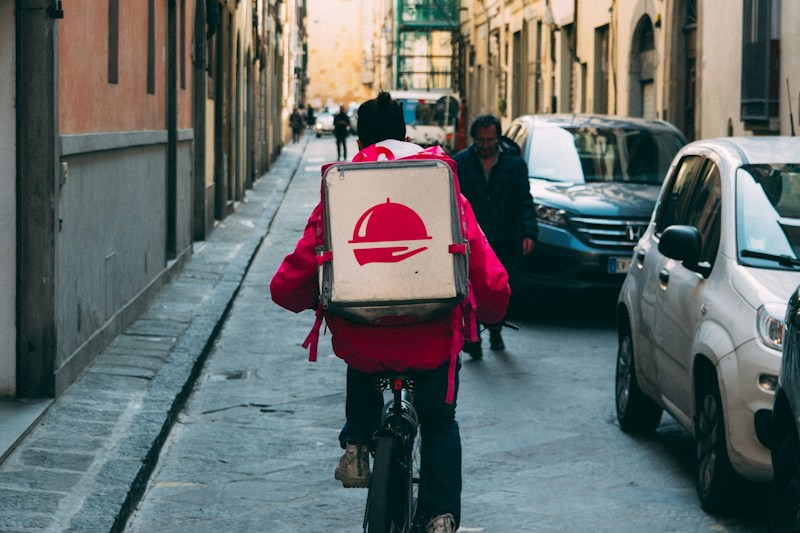
Food delivery apps turned ordering dinner into something you could do in under two minutes without speaking to anyone. Browse a menu, tap a few buttons, and food appears at your door. The friction that once made cooking at home the easier option has been almost completely removed.
This convenience has changed how people eat in ways that go far beyond just skipping a home-cooked meal. It has altered spending habits, health patterns, and even the restaurant industry itself.
The Money Adds Up Fast
A single delivery order does not feel like a big expense. Fifteen or twenty dollars for a meal feels reasonable, especially when you factor in the time and effort saved. The problem is that individual orders rarely stay individual. When ordering food becomes as easy as scrolling and tapping, people tend to do it more often than they realize.
Three or four delivery orders a week can easily add up to several hundred dollars a month. Add service fees, delivery fees, tips, and the slightly higher prices that restaurants charge through delivery apps, and the total gets even larger. Many people who track their spending for the first time are shocked by how much they spend on food delivery.
The psychological trick is that each individual transaction feels small and justified. It is only when you look at the monthly total that the real cost becomes apparent. By then, the habit is already established and hard to break.
Restaurant Kitchens Were Not Designed for This
When food delivery started taking off, most restaurants treated it as a side business. A few extra orders here and there were easy to accommodate. But as delivery grew to become a significant portion of total orders, the logistics started breaking down.
Kitchens designed for sit-down service have different workflows than kitchens optimized for delivery. Packing orders, managing delivery driver queues, and maintaining food quality during transport all require adjustments that many restaurants were not prepared for.
Some restaurants responded by creating separate delivery-only kitchens, sometimes called ghost kitchens. These facilities exist solely to fulfill delivery orders, with no dining area, no waitstaff, and no need for prime real estate. This model lowers costs and increases efficiency, but it also means some of the food you order has never been served in a restaurant at all.
It Changed What People Eat
When you cook at home, you tend to eat a rotation of familiar dishes. The ingredients are what you have on hand, and the recipes are the ones you know. It is not always exciting, but it is usually reasonably balanced.
Food delivery opens up a vast range of cuisines and dishes that most people would never attempt to cook at home. Sushi, Thai curry, artisanal pizza, Indian biryani. The variety is exciting and can introduce people to foods they would never have tried otherwise.
The downside is that restaurant food, especially the kind designed for delivery, tends to be higher in calories, sodium, and unhealthy fats than home-cooked meals. When delivery becomes a regular habit, the health impact accumulates quietly in the background.
The Convenience Trade-Off
Nobody is suggesting that food delivery is inherently bad. It serves genuine needs. People who are too sick to cook, too busy after a long day, or simply want to celebrate with a special meal all benefit from the service. The issue is when convenience becomes the default rather than the exception.
The most sustainable approach is probably treating food delivery as an occasional convenience rather than a daily habit. Cooking most meals at home and ordering delivery once or twice a week gives you the best of both worlds without the financial and health costs of over-reliance.
Meal kit services that deliver pre-portioned ingredients and recipes offer a middle ground. They provide the convenience of delivery with the experience and health benefits of cooking at home. For people who want to cook more but struggle with planning and shopping, they can be a practical bridge.